Loading...
Serving Reno, NV and surrounding areas(775) 491-3183
Reno Insulation is an NSCB-licensed insulation contractor serving Cold Springs, NV with air sealing, attic insulation, and spray foam for the North Valleys CDP's owner-occupied homes. We have served Washoe County's unincorporated communities since 2019 and respond to new inquiries within 1 business day.
Cold Springs is a census-designated place in Washoe County covering roughly 8.8 square miles in the northwestern portion of the Reno-Sparks metropolitan area, accessible primarily via US-395. The name itself traces back to the Shoshoni word for “cold water,” a fitting description for a high-desert valley that sits in the shadow of Peavine Mountain. Because Cold Springs is unincorporated, it is governed by Washoe County rather than a city, which matters practically for anyone scheduling permitted construction work here.
The community has grown sharply over the past two decades, from fewer than 4,000 residents in 2000 to more than 11,000 by 2024. The homeownership rate stands at 91.8%, the highest of any community in the immediate North Valleys corridor. Most of the housing stock consists of single-family homes on larger lots than you find in Reno or Sparks, with many properties backing up toward open desert terrain framed by the Sierra Nevada foothills. Silver Knolls Park, which includes a dedicated horse arena and equestrian trails, reflects the semi-rural character that distinguishes Cold Springs from its more urbanized neighbors.
Families in Cold Springs are centered around schools including North Valleys High School, Cold Springs Middle School, and Silver Lake Elementary, and the Cold Springs Family Center serves as the community's primary social hub. The nearest neighboring service area to the south is Spanish Springs, NV, where we complete wall insulation and spray foam projects in the valley's tract subdivisions. To the southeast, Reno, NV is the regional hub for building permits and utility rebate programs that Cold Springs homeowners also access.
Cold Springs' proximity to Peavine Mountain means the community is regularly exposed to strong wind events that drive outside air through unsealed top plates, rim joists, and electrical penetrations. Professional air sealing with a blower door-guided approach identifies and closes the specific leakage pathways driving up NV Energy bills — not guesswork caulking. It is the most cost-effective first step for any Cold Springs homeowner dealing with drafts or uneven room temperatures.
Most Cold Springs homes built before 2010 have attic insulation at R-19 to R-30 from original construction — well below the R-49 Zone 5B minimum. The community's semi-rural setting means attics often have pull-down stair openings and recessed lights that create large bypass pathways; sealing those before adding blown-in insulation is what separates a lasting upgrade from one that underperforms within a season.
Cold Springs' larger lots and single-story homes frequently have vented crawl spaces with uninsulated rim joists — a primary source of cold floors and stack-effect infiltration during winter. Closed-cell spray foam applied to the rim joist assembly seals and insulates in a single pass, and it handles the irregular framing common in the community's 1990s-era and early-2000s construction without requiring demolition.
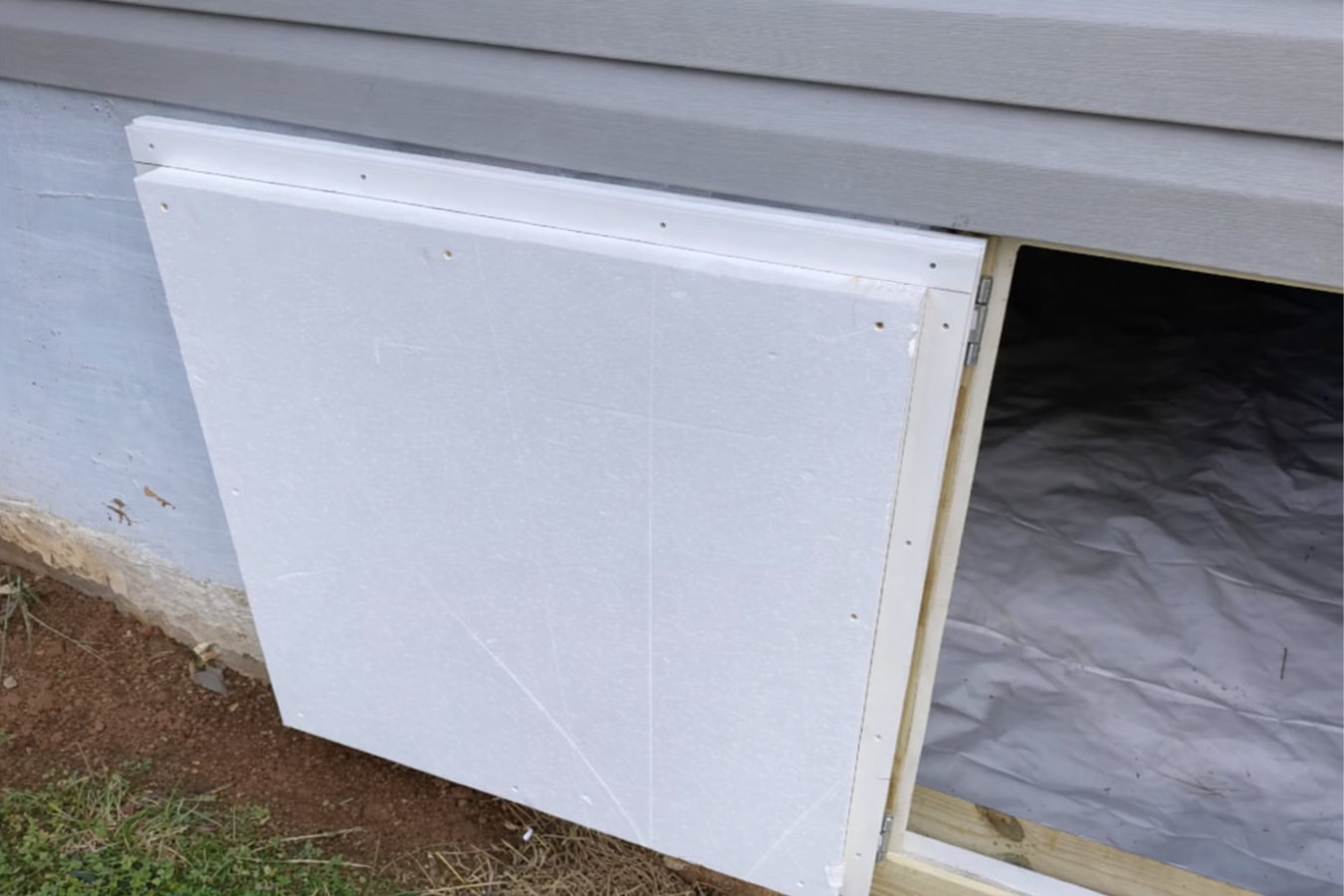
Homes on Cold Springs' larger residential lots often sit above vented crawl spaces that draw cold desert air under the floor every winter night. Insulating crawl space walls or floor joists — combined with a vapor barrier over the exposed soil — directly reduces cold-floor complaints and the monthly heating load.
Reno Insulation serves the neighboring North Valleys community of Lemmon Valley, NV with the same air sealing, attic insulation, and spray foam work available in Cold Springs. Both communities share similar unincorporated Washoe County permitting requirements and Zone 5B climate specifications.
Cold Springs sits at the base of Peavine Mountain in a high-desert valley that experiences some of the most pronounced overnight temperature drops in the Reno metro. Winter nights regularly push below 20°F, but the diurnal swing is what separates Cold Springs from a southern Nevada city: the same 24 hours can see the temperature climb from single digits overnight to the mid-50s by early afternoon. Building envelopes that are not properly sealed and insulated cycle through that thermal stress every day from October through March.
The semi-rural character of Cold Springs means many homes have larger footprints, vented crawl spaces, and attached garages that multiply the number of air leakage pathways compared to a compact Reno townhouse. Horse properties and lots backing to open desert are also directly exposed to the wind pressure events that move through the North Valleys corridor, pushing outside air through rim joists and top plates with enough force to cancel out any insulation upgrade that was not paired with thorough air sealing.
The community's rapid growth from 2000 through the 2010s brought a wave of residential construction that, in many cases, was built to code minimums rather than optimized for Cold Springs' specific climate exposure. Homes from that era frequently have attic insulation at R-19 to R-30, well below the R-49 Zone 5B minimum now required. Many also lack air sealing at the attic plane — meaning top plates, recessed lights, and duct chases were never properly closed off from the attic airspace.
With a homeownership rate near 92%, Cold Springs residents have a direct financial stake in the performance of their homes. Every month an under-insulated or unsealed home runs, it is transferring money to the utility rather than building equity. The combination of blower-door-guided air sealing and a proper attic top-up addresses both the thermal and the infiltration problems in a single project.
Insulation and air sealing work in Cold Springs is permitted through the Washoe County Building Department, not through a city building office — a distinction that matters when a project requires an inspection before walls or ceilings close. We pull Washoe County permits for every Cold Springs job that requires one and schedule county inspections directly. The lead time for Washoe County inspections can run longer than city-side permits during busy construction seasons, so factoring that into the project schedule matters.
Cold Springs homes sit in a valley framed by Peavine Mountain to the west and open desert to the north, which means wind exposure is a constant factor in building envelope performance. US-395 is the primary route connecting the community to Reno, and the stretch of homes along the highway's residential turnoffs tends to show the highest blower door leakage rates we see in Washoe County. White Lake and Silver Lake to the north add a modest amount of ambient moisture to an otherwise very dry high-desert environment, which occasionally affects vapor management decisions in crawl space work.
We also serve the neighboring North Valleys community of Lemmon Valley, NV, where similar unincorporated Washoe County conditions apply and where the closed-basin geography creates distinct vapor management considerations that affect crawl space and basement insulation decisions. Projects in both communities follow the same Zone 5B specifications and Washoe County permitting pathway.
Reach us by phone or through the contact form. We respond within 1 business day and ask about your Cold Springs home — square footage, year built, and the specific issue you are dealing with, whether that is drafts, high bills, or an upcoming sale.
A licensed technician visits your home, runs a blower door test if warranted, and checks accessible penetrations in the attic and crawl space. We confirm whether a Washoe County permit is required and provide a written, itemized cost before any work is scheduled — no pressure, no obligation.
Most Cold Springs air sealing and attic insulation jobs finish in a single day. You do not need to vacate the home, but someone should be present at the start and available at completion. Spray foam crawl space work typically takes four to six hours.
We provide product data sheets, R-value certifications, and installation records after every job. If a blower door test was performed, you receive the before-and-after report. Washoe County permitted jobs are closed out with the required inspection so the project is officially on record.
We serve Cold Springs and the North Valleys corridor. A licensed technician visits your home, measures what you have, and gives you a written cost before any work starts — no commitment required.
(775) 491-3183Spray foam seals air leaks and adds R-value simultaneously, making it one of the most efficient insulation options for new construction and retrofits.
View serviceProper attic insulation keeps conditioned air inside your home and reduces the strain on your heating and cooling system year-round.
View serviceBlown-in cellulose or fiberglass fills irregular cavities and covers existing insulation gaps without tearing out walls or ceilings.
View serviceWhole-home insulation assessments and installations cover every area of your house to deliver consistent comfort and lower energy bills.
View serviceOld, damaged, or contaminated insulation is safely removed before new material is installed so your upgrade starts on a clean foundation.
View serviceInsulating your crawl space controls moisture, prevents pipe freezing, and improves floor temperatures throughout the home.
View serviceWall insulation reduces heat transfer through exterior and interior walls, improving comfort and cutting seasonal energy costs.
View serviceAir sealing closes gaps around penetrations, joints, and transitions so insulation performs at its rated R-value instead of being bypassed by drafts.
View serviceInsulating basement walls and rim joists prevents cold floors above and reduces the load on your furnace during Northern Nevada winters.
View serviceClosed-cell spray foam delivers the highest R-value per inch and doubles as a vapor and moisture barrier for demanding environments.
View serviceOpen-cell foam expands to fill hard-to-reach cavities and provides excellent sound dampening in addition to thermal performance.
View serviceSealing attic bypasses before adding insulation stops the stack effect that drives heat loss in winter and heat gain in summer.
View serviceA heavy-duty vapor barrier installed on the crawl space floor blocks ground moisture from migrating into structural framing and living areas.
View serviceVapor barriers are installed in crawl spaces, walls, and below-grade areas to manage moisture and protect insulation performance long-term.
View serviceRetrofit insulation upgrades existing homes without major renovation, using drill-and-fill or dense-pack methods for walls and floors.
View serviceCommercial insulation services cover warehouses, offices, and multi-unit buildings with code-compliant materials and efficient installation schedules.
View serviceServing these cities and communities.
Peavine Mountain winds and sub-20°F winter nights make unsealed, under-insulated homes expensive every heating season. Call us or submit a request and we will respond within 1 business day.