Loading...
Serving Reno, NV and surrounding areas(775) 491-3183
Reno Insulation is an NSCB-licensed insulation contractor serving Spanish Springs, NV with wall insulation, blown-in attic upgrades, and spray foam work for the valley's owner-occupied residential subdivisions. We serve ZIP codes 89436 and 89441 throughout the Pyramid Way corridor and have completed jobs across Washoe County's unincorporated communities since 2019, with replies to new inquiries within 1 business day.
Spanish Springs is a census-designated place in Washoe County covering 56 square miles in the northeastern portion of the Reno-Sparks metro area. Its population grew from 9,018 in the 2000 Census to more than 15,000 by 2010, driven by residential development spreading across what was formerly ranch and airfield land. The community spans two ZIP codes — 89436 and 89441 — and is governed by Washoe County rather than an incorporated city government.
The valley's residential character is distinctly family-oriented and owner-occupied. Census data from the area shows household sizes well above state and national averages, with a large share of residents in married-couple households with children. Most of the housing stock consists of single-family tract subdivisions built from the late 1980s through the 2000s, with State Route 445 — locally known as Pyramid Way — serving as the valley's main north-south corridor connecting residents south to Sparks and north toward Pyramid Lake. Lazy 5 Regional Park at 7100 Pyramid Way is the valley's primary community recreation hub.
The land beneath Spanish Springs Valley has a notable history: the site of Sky Ranch Airport hosted the first Reno Air Races in 1964 and 1965 before becoming the Rocketdyne Nevada Field Laboratory for NASA rocket engine testing. Today's subdivisions occupy that land. The nearest neighboring service area to the south is Sparks, NV, where we regularly complete spray foam and attic projects along the city's northern corridors.
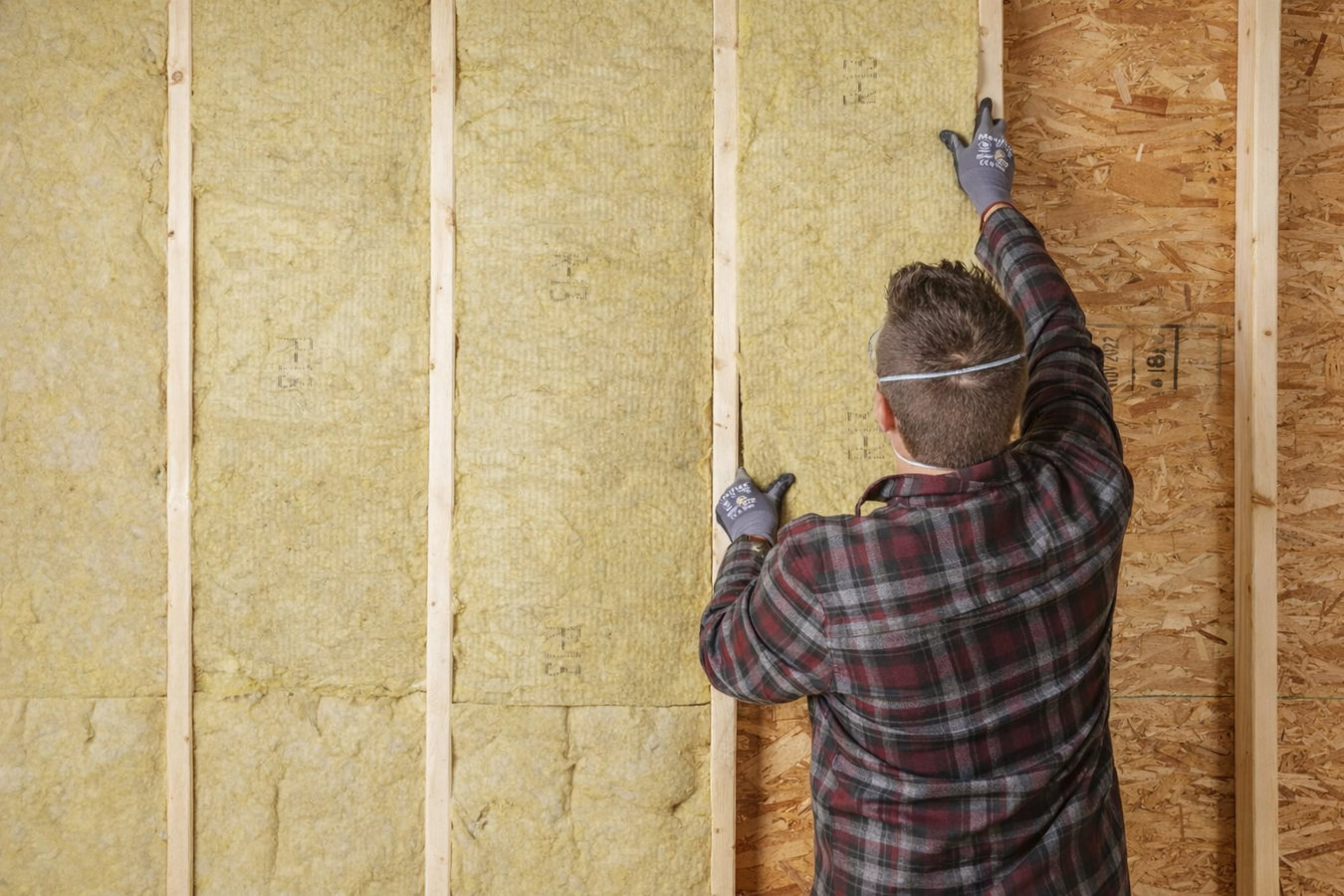
Spanish Springs tract homes built in the 1990s and 2000s frequently have wall insulation below today's Zone 5B minimum of R-20. Dense-pack blown-in cellulose adds R-13 to R-15 per cavity through small drilled holes — no drywall removal, no painting, no major disruption. It is the highest-value upgrade for families spending more than expected on heating across Spanish Springs Valley.
Spray foam fills irregular framing, rim joists, and crawl space walls that blown-in products cannot reach. For Spanish Springs homes near the valley's northern edge — where cold air settles on winter nights — spray foam at crawl space perimeters reduces cold floors and drafts that batts cannot address.
Pyramid Way corridor homes in Spanish Springs often have attic insulation at R-19 to R-30 from original construction — well below the R-49 Zone 5B minimum. Blown-in cellulose or fiberglass brings attics to code in a single day and directly reduces the heating load from overnight cold air that settles across the valley floor.
The Washoe Zephyr wind events common to Spanish Springs Valley push outdoor air through unsealed top plates and electrical penetrations with enough force to undercut any insulation upgrade. We seal attic bypasses and wall penetrations alongside every insulation project so the R-value installed is the R-value that performs.
Single-story homes in the valley's subdivisions often have uninsulated or poorly insulated vented crawl spaces that sit above cold soil in winter. Crawl space floor insulation or sealed encapsulation reduces cold floors across the main living area — a complaint common among families in Spanish Springs homes with young children.
Spanish Springs Valley sits at roughly 4,500 feet in Washoe County, exposed to the same IECC Climate Zone 5B conditions as Reno but with one added factor: cold air drainage off the mountains north of Sparks settles across the valley floor on winter nights, pushing overnight lows well below what residents in Reno's downtown neighborhoods experience. Homes on the valley's northern edge near Spanish Springs High School and Lazy 5 Regional Park feel that temperature difference more acutely than properties closer to the Sparks city border.
The valley's housing stock — mostly 1990s and 2000s tract construction — was built to code minimums that are well below today's recommended performance levels for Zone 5B. The 2021 ENERGY STAR recommendations for existing homes in Climate Zone 5 call for attic insulation of R-49 to R-60; most Spanish Springs homes have R-19 to R-30 from original construction. Wall cavities in these homes are frequently at R-13 or less, with no continuous exterior insulation added.
The Washoe Zephyr — the strong downslope wind event that regularly moves through the Truckee Meadows — creates substantial pressure differentials across building envelopes throughout Spanish Springs Valley. These winds push outdoor air through unsealed top plates, rim joists, and electrical penetrations with enough force to cancel out the thermal benefit of under-specified insulation. Families who have added attic insulation and still see high winter bills are often dealing with air leakage rather than insufficient R-value.
The valley's large household sizes and high share of owner-occupied homes mean the cost of inadequate insulation is felt by more people per address than in many other Washoe County communities. For a family of four or five in a 2,000-square-foot Spanish Springs home, the monthly NV Energy bill difference between an R-13 wall and an R-20 wall is measurable across every heating month from October through April.
Insulation work in Spanish Springs is permitted through the Washoe County Building Division rather than a city permit office, and the crew that shows up at your door needs to know that distinction before they start — confusing Washoe County permit requirements with City of Sparks or City of Reno rules is a mistake that can delay a project by days. We pull Washoe County permits for every Spanish Springs job that requires one and schedule Washoe County inspections directly.
The valley's subdivisions along Pyramid Way are built on land that transitioned from ranch and airfield use to residential use in a single generation — and the speed of that development means there is real variation in construction quality across blocks that look identical from the street. Homes near Spanish Springs Airport (FAA identifier N86), which has been in operation since 1971 roughly 2 miles west of the former Sky Ranch site, sometimes show signs of construction shortcuts from the valley's fastest-growth years in the late 1990s. Air sealing at top plates is one of the most common deficiencies we find in those homes.
We also serve neighboring communities north of the valley, including Cold Springs, NV and Lemmon Valley, NV, where similar unincorporated Washoe County tract-home conditions apply. Projects in those areas follow the same permitting process and the same Zone 5B insulation specifications.
Reach us by phone or through the online form. We respond within 1 business day and ask a few questions about your home in Spanish Springs — square footage, year built, and the specific problem you are dealing with.
A licensed technician visits your home, measures existing insulation depth, tests for air leakage at accessible penetrations, and confirms whether a Washoe County Building Division permit is required. Cost is laid out in a written estimate before any work is scheduled.
Most wall and attic projects in the valley are completed in a single day. Spray foam crawl space work typically takes four to six hours. You do not need to be present the entire time, but someone should be available at the start and at completion.
We leave product data sheets, R-value certifications, and installation records on site after every job. If a Washoe County permit was required, we coordinate the inspection so the project is officially signed off — and provide the documentation you need to file for NV Energy insulation rebates.
We serve ZIP codes 89436 and 89441 throughout the Pyramid Way corridor. A licensed technician visits your home, measures what you have, and gives you a written cost before any work begins.
(775) 491-3183Nevada State Contractors Board licensing is required for any insulation project exceeding $1,000 in labor and materials combined. Our active license is searchable in real time at nvcontractorsboard.com — a quick check that protects Spanish Springs homeowners from uninsured, unlicensed operators who work the valley's growing residential market.
Reno Insulation has served Washoe County's unincorporated communities — including Spanish Springs — since 2019. Our crews know the Pyramid Way corridor, the ZIP 89436 and 89441 subdivisions, and the Washoe County Building Division permit process that governs insulation work in this part of the valley.
Spanish Springs sits in IECC Climate Zone 5B — the same demanding designation as Reno — with R-49 attic and R-20 wall minimums. Every project we complete in the valley is specified to those Zone 5B targets. Generic national averages that underspecify for this climate are one reason homeowners end up calling us after another contractor's work falls short.
Spanish Springs is unincorporated Washoe County, which means permits go through the Washoe County Building Division — not a city building department. We pull Washoe County permits, schedule Washoe County inspections, and provide the documentation homeowners need for NV Energy rebate claims.
Every one of these points is verifiable before you sign anything. NSCB license status is searchable in seconds. Year-of-service and Washoe County permit familiarity come up naturally in the first conversation. The credential that matters most in Spanish Springs is not a marketing claim — it is a crew that knows the Washoe County Building Division process and arrives with the right equipment for Zone 5B conditions.
Spray foam seals air leaks and adds R-value simultaneously, making it one of the most efficient insulation options for new construction and retrofits.
View serviceProper attic insulation keeps conditioned air inside your home and reduces the strain on your heating and cooling system year-round.
View serviceBlown-in cellulose or fiberglass fills irregular cavities and covers existing insulation gaps without tearing out walls or ceilings.
View serviceWhole-home insulation assessments and installations cover every area of your house to deliver consistent comfort and lower energy bills.
View serviceOld, damaged, or contaminated insulation is safely removed before new material is installed so your upgrade starts on a clean foundation.
View serviceInsulating your crawl space controls moisture, prevents pipe freezing, and improves floor temperatures throughout the home.
View serviceWall insulation reduces heat transfer through exterior and interior walls, improving comfort and cutting seasonal energy costs.
View serviceAir sealing closes gaps around penetrations, joints, and transitions so insulation performs at its rated R-value instead of being bypassed by drafts.
View serviceInsulating basement walls and rim joists prevents cold floors above and reduces the load on your furnace during Northern Nevada winters.
View serviceClosed-cell spray foam delivers the highest R-value per inch and doubles as a vapor and moisture barrier for demanding environments.
View serviceOpen-cell foam expands to fill hard-to-reach cavities and provides excellent sound dampening in addition to thermal performance.
View serviceSealing attic bypasses before adding insulation stops the stack effect that drives heat loss in winter and heat gain in summer.
View serviceA heavy-duty vapor barrier installed on the crawl space floor blocks ground moisture from migrating into structural framing and living areas.
View serviceVapor barriers are installed in crawl spaces, walls, and below-grade areas to manage moisture and protect insulation performance long-term.
View serviceRetrofit insulation upgrades existing homes without major renovation, using drill-and-fill or dense-pack methods for walls and floors.
View serviceCommercial insulation services cover warehouses, offices, and multi-unit buildings with code-compliant materials and efficient installation schedules.
View serviceServing these cities and communities.
Cold Valley winters and Washoe Zephyr wind events make under-insulated walls and attics cost you every month. Call us or submit an estimate request and we will respond within 1 business day.